Engine diagnostics are easy to misunderstand. A warning light comes on, someone plugs in a scanner, and it feels like the car should instantly explain itself. It does not work quite that cleanly.
The scan is the start of the conversation, not the whole answer.
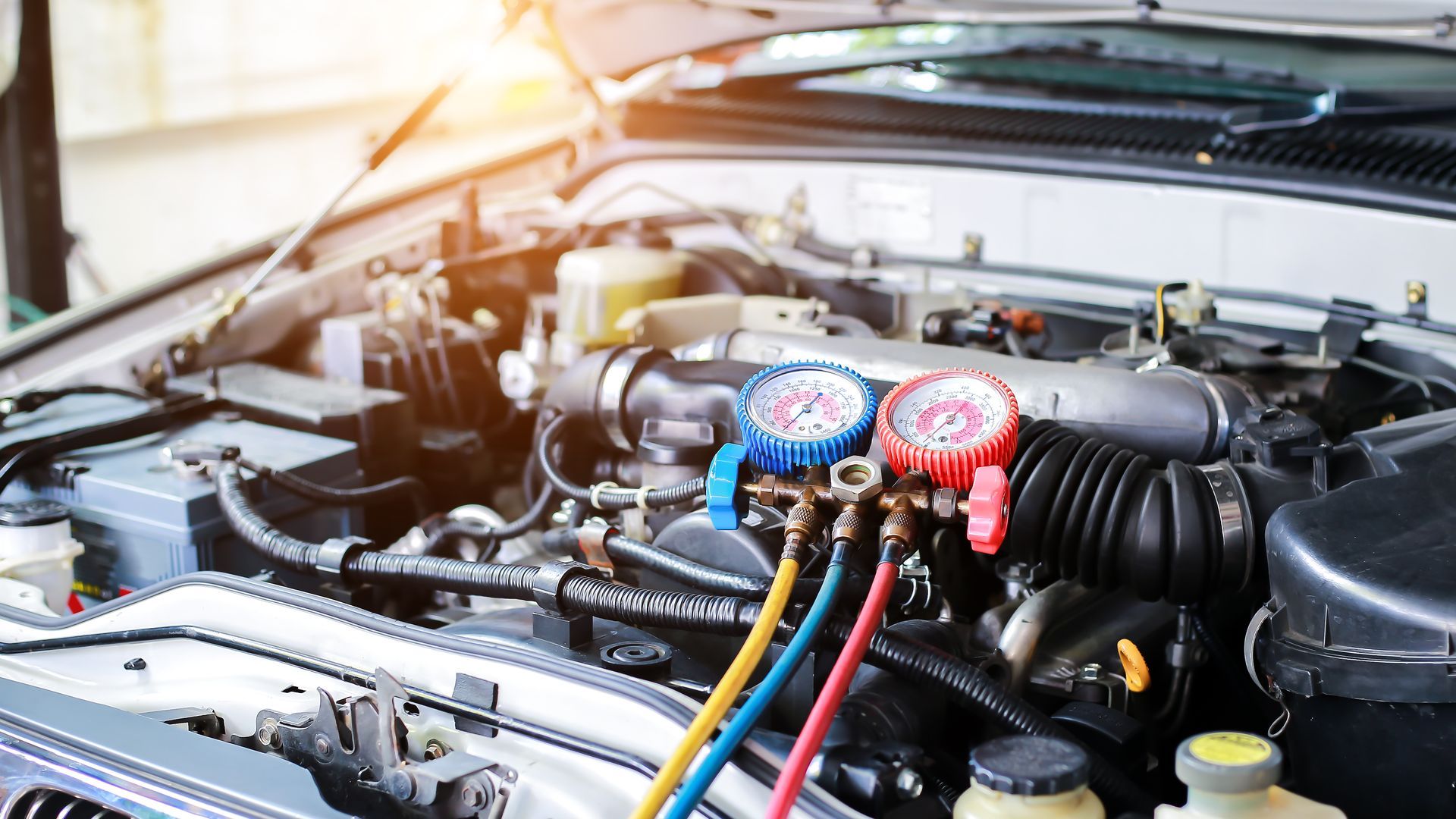
Good engine diagnostics look at codes, live data, fuel trims, misfire counts, temperature readings, sensor behavior, and what the car is doing on the road. That combination can catch problems while they are still small enough to fix with a focused plan.
1. Misfires That Are Just Starting
A misfire does not always feel like a big shake. Sometimes it starts as a quick stumble when you accelerate, a rough idle for a few seconds, or a check engine light that appears and disappears. The engine may feel normal most of the time.
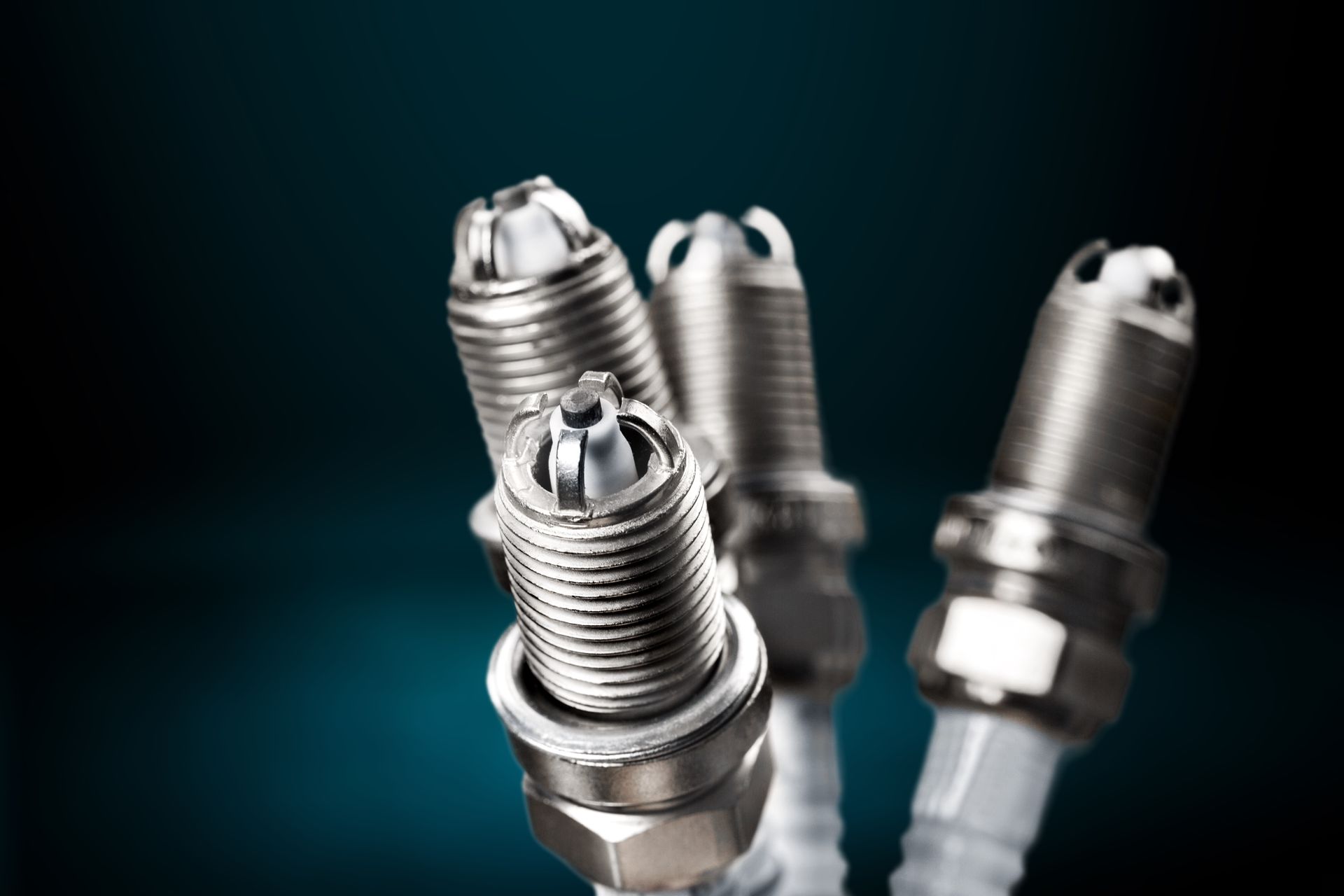
Diagnostic data can show which cylinder is acting up and when it happens. That matters because a worn spark plug, weak ignition coil, dirty injector, vacuum leak, or compression problem can all cause similar symptoms from the driver’s seat.
Misfire counters are especially helpful. They can reveal a cylinder that is starting to miss before the problem becomes constant. Catching it early helps protect the catalytic converter from unburned fuel and extra heat.
2. Fuel Mixture Problems
Engines need the right balance of air and fuel. Too much fuel makes the engine run rich. Too much air, or not enough fuel, makes it run lean. Either way, the engine computer starts making corrections, which show up in live data.
A lean condition might come from a vacuum leak, a cracked intake boot, a weak fuel pump, or unmetered air entering the engine. A rich condition might be caused by a leaking injector, inaccurate sensor input, restricted airflow, or fuel pressure issues.
You may only notice lower fuel economy, a fuel smell, hesitation, or a slightly rough idle. Diagnostics can show whether the computer is adding or subtracting fuel to keep the engine running. Those numbers often tell the story before the symptom gets obvious.
3. Sensor Readings That Do Not Match Reality
Modern engines rely on sensors constantly. Oxygen sensors, mass airflow sensors, coolant temperature sensors, crank sensors, cam sensors, throttle sensors, and MAP sensors all send information to the computer. If one reading is inaccurate, the engine may react as if the wrong condition is happening.
A coolant temperature sensor is a good example. If it reports the engine as colder than it really is, the computer may add too much fuel. If a mass airflow sensor underreports airflow, the fuel mixture can drift. The car may still drive, but mileage, idle quality, and emissions can suffer.
One of our technicians can compare sensor readings against normal operating conditions rather than replace a part just because its name appears in a code. That is where diagnostics save money.
4. Cooling System Trouble
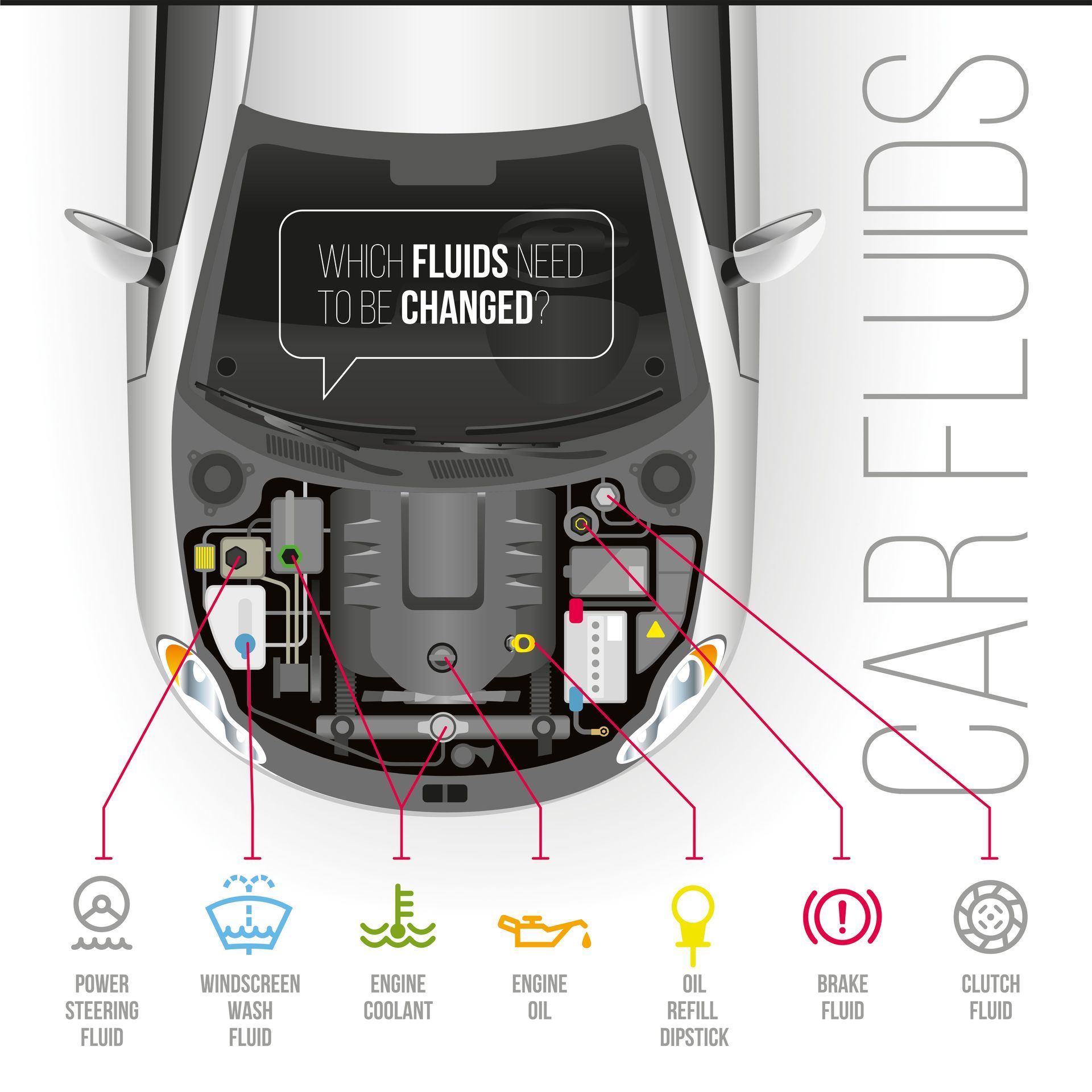
Engine temperature problems do not always start with steam under the hood. A thermostat can open too slowly. A cooling fan may not switch on at the right time. Coolant temperature readings may be inconsistent. The engine may run a little too cool or a little too hot without the driver noticing right away.
Diagnostics can show temperature behavior during warm-up, idling, traffic, and road driving. That helps catch problems like a sticking thermostat, sensor issues, fan control problems, or cooling system concerns before overheating damages gaskets or seals.
If the temperature gauge has moved higher than normal even once, do not brush it off. A small temperature pattern can be the first clue that the cooling system is losing control.
5. Problems That Affect Emissions And Readiness
A car can fail emissions even when it feels fine. EVAP leaks, oxygen sensor issues, catalyst efficiency codes, misfires, thermostat problems, and fuel trim faults can all affect emissions long before the vehicle feels broken.
Readiness monitors matter too. If the battery was disconnected or codes were cleared recently, the vehicle may not have completed its self-tests. Diagnostics can show which monitors are ready, which are incomplete, and whether a fault is preventing the process from continuing.
During regular maintenance, checking for pending codes and readiness issues can help drivers avoid surprise failures at inspection time. It also gives the shop a chance to catch small emissions-related issues while the fix is still straightforward.
Why Diagnostics Are More Than Reading Codes
A code points to the system that noticed the problem. It does not always tell you which part failed. A lean code could be a vacuum leak. An exhaust leak could cause an oxygen sensor code. A misfire code could indicate ignition, fuel, air, or compression issues.
That is why the next step matters. Live data, visual checks, road testing, pressure testing, and hands-on verification turn the code into a real answer. Without that, repairs become a guessing game.
A clear diagnostic process keeps the repair focused on what the car is actually doing, not on what the dashboard light suggests.
Get Engine Diagnostics In Lilburn, GA, With Wrench Junkies
If your check engine light is on, your vehicle feels rough, or you want answers before a small symptom spreads, Wrench Junkies in Lilburn, GA, can check the engine data and track the cause.
Schedule a visit and get the problem confirmed before you spend money in the wrong place.