When a high-mileage engine starts using more oil between services, switching to a thicker oil can sound like an easy solution. In some worn engines, a higher-viscosity oil may reduce the amount of oil passing through worn clearances or seals, but that does not mean thicker oil is automatically the right choice.
Engine oil viscosity is part of the engine's design. Modern engines depend on specific oil flow characteristics for bearings, timing components, variable valve timing systems, and sometimes turbochargers. Before changing viscosity, it is better to identify why the engine is consuming oil and check what the manufacturer allows.
Why High-Mileage Engines May Start Using More Oil
As an engine accumulates miles, piston rings, cylinder walls, valve guides, seals, and other internal components can wear. Oil that was once controlled effectively may begin entering the combustion chambers in small amounts and burning with the air-fuel mixture.
Oil consumption can also come from hardened valve stem seals, stuck oil-control rings, a malfunctioning PCV system, turbocharger wear, or external leaks. Because several different problems can lower the oil level, the first step should be determining whether the oil is actually being burned or escaping somewhere outside the engine.
How Thicker Oil Can Affect Consumption
A thicker oil flows more slowly at a given temperature than a thinner one. In an engine with increased internal clearances, that can sometimes reduce the amount of oil that slips past worn components and reaches the combustion chambers.
The change may be noticeable in an older engine that is already near the edge of its original tolerances, but the effect is not guaranteed. If piston rings are badly worn, valve seals have failed, or the PCV system is pulling excessive oil into the intake, changing viscosity may make little difference.
Thicker Oil Does Not Repair Worn Parts
Using a higher-viscosity oil does not restore worn piston rings, repair damaged cylinder walls, or replace hardened seals. At best, it may reduce consumption in certain engines by changing how easily the oil passes through worn clearances.
That distinction is important because a reduction in oil use can make the underlying wear less obvious without correcting it. If consumption continues to increase, the engine may still need diagnostic testing to determine whether the problem involves rings, valve seals, crankcase ventilation, turbocharger components, or another source.
Going Too Thick Can Create New Problems
Engine oil has to reach critical parts quickly after startup, especially when the engine is cold. Oil that is significantly thicker than the manufacturer intended may take longer to circulate through small passages and tight bearing clearances.
Modern engines can also use oil pressure to operate variable valve timing actuators, timing chain tensioners, and cylinder deactivation systems. Changing viscosity too far from the specified range can affect how these components respond. On turbocharged engines, proper oil flow is especially important because the turbo bearings rely on a steady supply of oil under demanding conditions.
Start With the Manufacturer's Approved Viscosity
The owner's manual or manufacturer service information should be the starting point when choosing oil. Some engines are approved for more than one viscosity depending on temperature, driving conditions, or market, which may leave room for a slightly heavier grade without going outside the manufacturer's recommendations.
For example, an engine may have approved options that change with climate or operating conditions. That is different from choosing a much thicker oil based only on mileage. If the engine specifies one viscosity range, moving outside it should be considered carefully rather than treated as a routine high-mileage adjustment.
High-Mileage Oil Is Different From Simply Using Thicker Oil
High-mileage motor oil is formulated for older engines, but it is not necessarily much thicker than standard oil of the same viscosity grade. Many high-mileage formulas contain additive packages designed with aging seals, deposit control, and older engine conditions in mind.
A high-mileage 5W-30, for example, is still intended to meet the viscosity characteristics of a 5W-30. That can make it a more appropriate option for some older vehicles than jumping directly to a heavier grade. The oil still needs to meet the engine's required specifications.
Check the PCV System Before Blaming Engine Wear
A failed positive crankcase ventilation system can increase oil consumption even when the engine's internal wear is moderate. A defective PCV valve or separator can allow too much oil vapor into the intake, where it is burned in the cylinders.
Crankcase pressure can create trouble in the other direction as well. If pressure is not being controlled properly, oil may be pushed past seals and gaskets. An inspection of the PCV system can sometimes uncover a relatively straightforward cause of oil loss before more invasive testing is considered.
Track How Much Oil the Engine Is Actually Using
It helps to measure oil consumption rather than relying on memory. Check the level regularly on level ground and record the mileage whenever oil is added. That creates a clear picture of whether consumption is stable or getting worse.
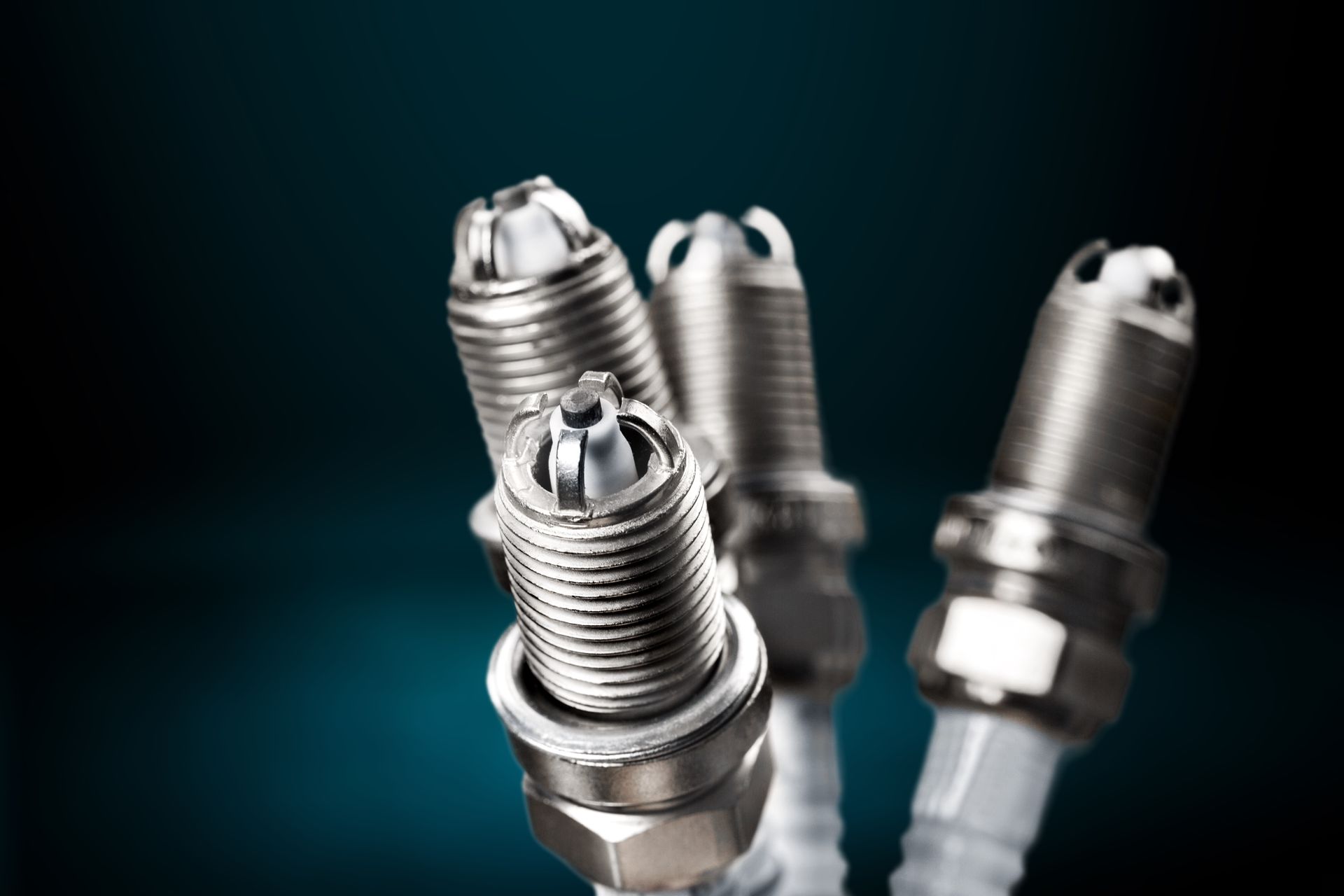
A small amount of oil use over several thousand miles may be acceptable on some high-mileage engines, while a sudden change deserves attention. Blue exhaust smoke, fouled spark plugs, oil-soaked intake components, new leaks, or a rapidly falling oil level are all reasons to have the engine checked.
Do Not Stretch Oil Change Intervals Because You Add Fresh Oil
Drivers who add oil regularly sometimes assume those top-offs are refreshing the oil enough to delay an oil change. They are not. The older oil still contains combustion byproducts, moisture, and depleted additives that remain in the engine.
Regular maintenance should continue at the proper interval even when the engine is consuming oil. Keeping the level full and changing the oil and filter on schedule address two different needs, and both are important for an older engine.
Get High-Mileage Engine Oil Service in Lilburn, GA, With Wrench Junkies
Wrench Junkies in Lilburn, GA, can inspect oil leaks, check crankcase ventilation components, review oil consumption, and help determine whether a different approved oil viscosity is appropriate for your high-mileage engine.
If you are adding oil more often than before, contact us to schedule an inspection and oil service.