A quick scanner gives you a trouble code. Professional engine testing explains what caused it. That difference matters when the check engine light comes on, and you're deciding whether to buy a part, keep driving, or book a shop visit.
A code describing a sensor or misfire sounds specific, but the same message often has several possible causes. Wiring, fuel delivery, mechanical wear, and the sensor itself need different repairs. Finding the cause before replacing anything helps you avoid paying for parts while the original warning keeps coming back.
What Check Engine Light Codes Tell You
The vehicle's computer monitors sensors, circuits, combustion, and emissions systems. When it detects a fault, it saves a code and often operating information from that moment. A persistent or qualifying fault brings on the check engine light. An oxygen-sensor-related code, for example, could name a signal problem, a heater circuit, or a mixture condition. The exact number tells the technician where to start and helps separate the sensor itself from the system around it.
Use the code to choose the next checks. An oxygen-sensor-related code needs a look at the signal, circuit, or mixture condition named by that code. Replacing the sensor makes sense when those checks show it has failed. Its name on the screen alone leaves the other causes unchecked.
A basic scanner usually reads common engine-related codes and allows them to be cleared. Some also show a few live readings or stored operating details. That's helpful for seeing what category of concern has triggered the warning. Vehicle systems contain much more information than a short code description. Manufacturer-specific data, other control modules, and particular component tests often require a more capable tool and knowledge of how the vehicle works.
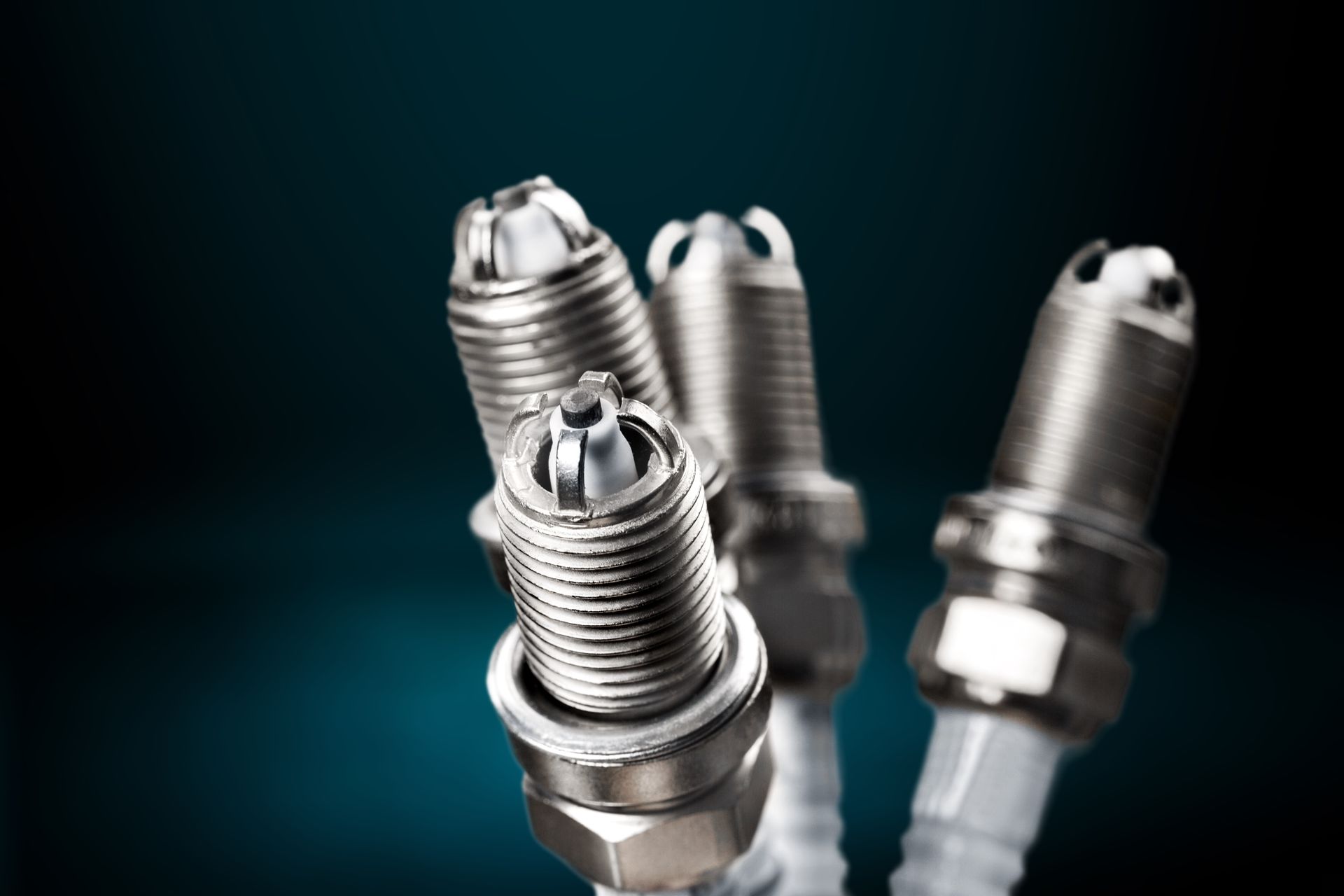
Imagine receiving a cylinder misfire code and buying a coil immediately. The cause might indeed be that coil, but a damaged spark plug, an injector problem, or low compression in the cylinder follows a different repair path. Checking first avoids buying a part that leaves the original problem in place.
How Professional Engine Testing Finds the Cause
The technician begins with your complaint and the information stored in the car. When did the light appear? Did it happen during a cold start, steady highway driving, or acceleration? Those details help make sense of the readings.
The next steps depend on the finding. An electrical fault points to power, ground, wiring, and signals. A mixed concern points to air and fuel measurements. A misfire may require ignition, fuel delivery, or mechanical checks.
You should get a clear explanation of what failed and how it was checked. For example, a damaged wire supplying a sensor needs wiring repair, while a failed sensor needs replacement. Both can produce an electrical warning, but the testing identifies which job actually restores the circuit.
Keeping Check Engine Light Codes for the Appointment
Clearing a code erases useful information and resets emissions readiness checks. Disconnecting the battery creates similar complications on some vehicles. If you erase the warning before the appointment, an intermittent fault becomes harder to investigate until it happens again.
Save the exact numbers and screenshots if you've already scanned the vehicle. A code such as a particular cylinder misfire gives the technician much more detail than 'something about the engine.' Leave the codes stored when possible so the operating information saved with them is available at the appointment.
Here's useful information to bring:
- The exact code numbers and whether the warning is steady or flashing
- Any rough running, hesitation, or loss of power
- When the symptom appears and how long it lasts
- Recent repairs, refueling, or battery disconnection
These observations help the technician connect the code with the way your car behaved. You can note them during normal use without forcing another failure. If the problem comes and goes, a safe recording or dashboard photo often explains it better than trying to describe the sound later.
When a Flashing Check Engine Light Needs a Safe Stop
A flashing light commonly warns of an active misfire serious enough to threaten the catalytic converter. Raw fuel reaching the exhaust generates damaging heat, particularly under load. If the light flashes and the engine runs roughly, stop somewhere safe and arrange help.
A steady light with normal running still needs a prompt check. Follow your owner's manual and get advice about driving while you wait. The code and symptoms determine the urgency, especially before towing or a long trip. A small issue is easier to plan around once you know what it is.
Other warnings change the decision. Overheating, oil pressure trouble, a strong fuel smell, or severe power loss deserve an immediate safe stop. Explain all the symptoms when arranging assistance so the next step fits the whole situation.
Checking the Engine After a Repair
After the repair, the technician checks that the system works under the conditions that produced the warning. That might mean reviewing live readings, repeating a circuit test, or making a road test. The aim is to confirm the repair before handing the car back.
Some emissions monitors finish their checks only during certain driving conditions. Ask whether they have completed and if further monitoring is needed. The testing fee should also be explained before work starts, because finding the fault takes time separate from installing the replacement part.
Check Engine Light Testing at Wrench Junkies
Wrench Junkies in Lilburn, GA, can discuss professional engine testing when a scanner has left you with more questions than answers. Bring your code numbers and describe any rough running, hesitation, or change in fuel use so we can review the next checks your vehicle needs.
Book check engine light testing with
Wrench Junkies before buying parts based only on a scanner's description.